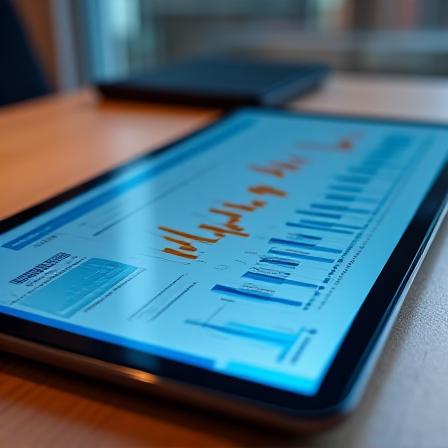
Introduction: Clarity Over Depth
In the world of C-level reporting, less is almost always more. Executives often manage diverse portfolios and lack the time to navigate deep granular tables. Effective reporting automation focuses on cognitive ease—the ability for a viewer to extract meaning without mental fatigue. For high-level decision-makers, a dashboard isn't a data exploration tool; it's an answer engine.
The '3 Second Rule'
If an executive cannot identify the status of a KPI (Good, Bad, or Neutral) within 3 seconds of looking at a chart, the visualization has failed. Use clear indicators like semantic coloring or trend arrows.
Contextual Charting
Stop using pie charts for complex distributions. For C-Level reporting, focus on bar charts for comparisons and line charts for temporal trends. Avoid 3D effects that distort data scale.
Effective Color Psychology
Color should never be used purely for decoration. In data intelligence, color is a pre-attentive attribute that directs the eye to what matters most.
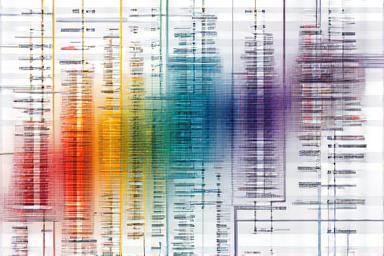
Rainbow palettes and 'Dark Mode' backgrounds often obscure critical values during presentations.

High contrast on a single story point. Gray out non-essential data to make the insight pop.
Progressive Disclosure & Drill-downs
To balance clarity with depth, we utilize Progressive Disclosure. Start with a high-level summary (The "What") and allow the user to click into specific regions, departments, or time periods (The "Why").
- Level 1: Big Number (BANs) - The absolute status.
- Level 2: Comparison - Performance vs Goal or LY.
- Level 3: Filterable Detail - Specific drivers of the trend.
Ready for Smarter Reporting?
Our bespoke AI dashboard solutions are built from the ground up using these cognitive design principles.